
 Admin
Admin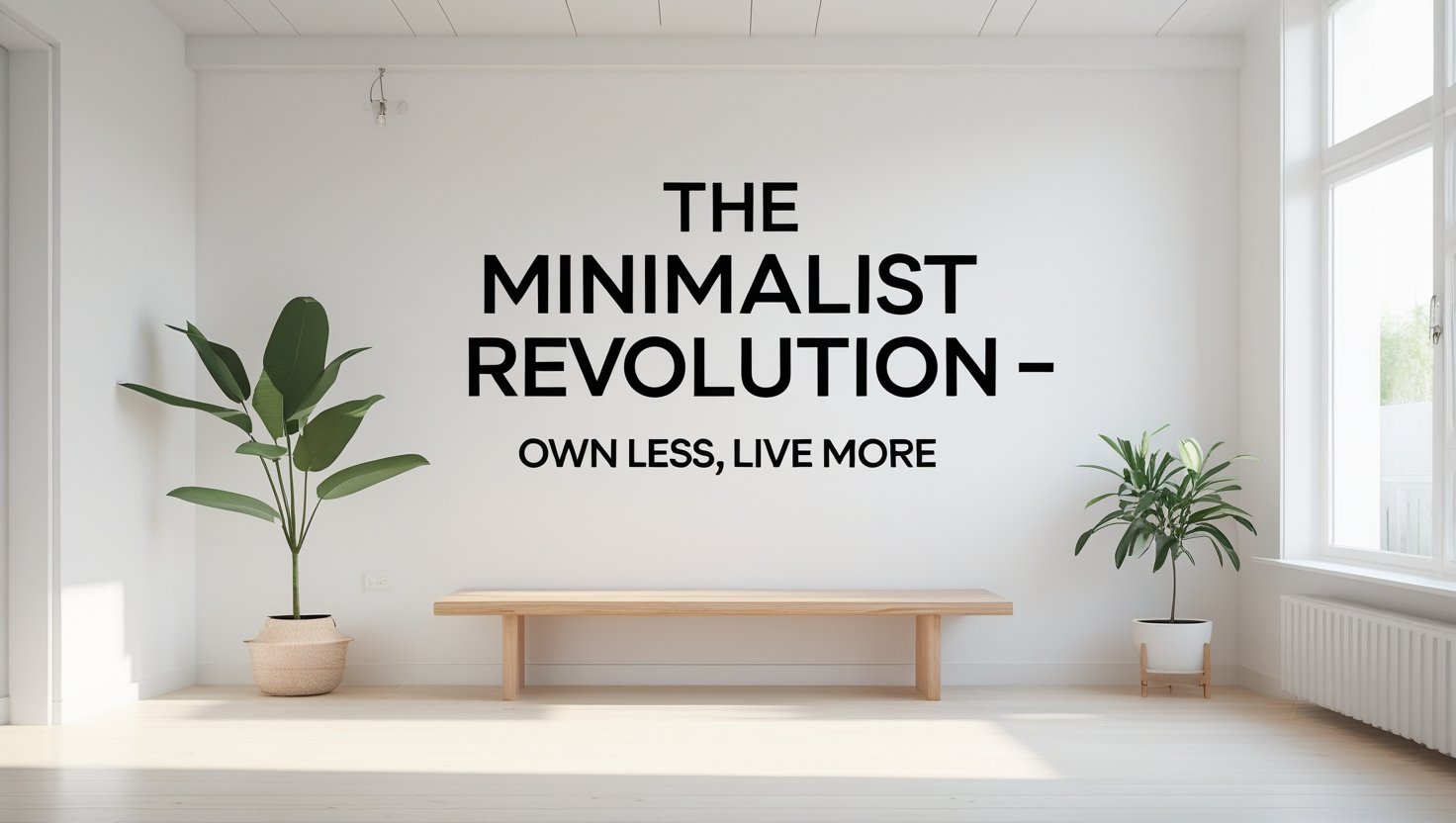
Imagine waking up to a life where every object in your home sparks joy, not clutter, a personal minimalist revolution that lets you own less and truly live more. As our world accelerates with information overload and consumer pressures, embracing simplicity isn’t just a trend; it’s a lifeline. This guide will show you how to transform your spaces, habits, and mindset into a streamlined shelter, so you can reclaim time, money, and happiness.
Declutter Your Mindset, Then Your Space:
Before you tackle that overflowing closet, start in your head. Recognize why you accumulate stuff: fear of scarcity, attachment to “just in case,” or the illusion that more equals better. Journal your true priorities, relationships, creativity, health, and measure every possession against them. When you shift from “collecting things” to “curating purpose,” letting go becomes less painful.
Once your mindset aligns with minimalist values, conquer one category at a time: clothes, books, and kitchen gadgets. Ask: “Does this item enhance my life?” If the answer is no, thank it and bid farewell. This mindful process prevents rebound clutter and roots your minimalist lifestyle in intention rather than deprivation.
Quality Over Quantity:
In the minimalist revolution, value shifts from accumulating dozens of cheap items to owning a few high-quality treasures. A well-crafted leather tote, a reliable cast-iron pan, or a timeless wool sweater might cost more upfront but last decades, reducing waste and saving you money long-term.
Invest in experiences over things. Trade that impulse gadget for a local cooking class, a weekend hike, or a museum membership. Memories don’t clutter, you’ll gain stories, skills, and connections that far outshine fleeting possessions. This approach fosters mindful consumption, ensuring every purchase aligns with your core values.
Minimalism’s Impact Beyond Your Home:
Choosing to own less reverberates well outside your front door. Fewer purchases mean reduced manufacturing demand, lower carbon emissions, and less landfill waste. Financially, downsizing frees up disposable income for debt payoff, retirement savings, or charitable giving.
Socially, minimalism encourages generosity. Lending a seldom-used tool to a neighbor, sharing clothing swaps, or gifting experiences, these gestures strengthen community bonds. By living more lightly on the planet and opening your hands more widely, you become part of a larger eco-conscious movement.
Navigating the Digital Clutter:
Minimalism isn’t only about physical stuff; digital overload can be equally suffocating. Unsubscribe from newsletters you never read. Archive old emails, delete redundant files, and organize photos into a single cloud album. Limit social media apps that hijack your attention, set daily time caps, or replace them with reading or meditation apps.
Adopt a “one-in, one-out” rule for new subscriptions and downloads. This digital declutter not only speeds up your devices but also frees mental bandwidth. A clean inbox and simplified online presence mirror the serenity of your physical spaces.
Minimalist Habits for Lasting Simplicity:
True minimalist living thrives on daily rituals that reinforce simplicity:
- Morning review: List three priorities before checking devices.
- Weekly edit: Dedicate 15 minutes to discard, donate, or delegate one item.
- Habit stacking: Combine tasks, listen to an educational podcast while decluttering a drawer.
Over time, these small actions become automatic, preventing clutter from creeping back. Embed gratitude practices, each evening, note one thing you gained that day without spending money. This keeps your focus on experiences and relationships, not possessions.
Crafting a Personalized Minimalist Blueprint:
There’s no one-size-fits-all minimalist manifesto. Your blueprint might emphasize wardrobe capsule systems, zero-waste swaps, or minimalist interior design. Begin by outlining your goals:
- Emotional: less anxiety, more presence.
- Financial: debt reduction, increased savings.
- Environmental: lower footprint, mindful sourcing.
Map out a 30-, 60-, and 90-day plan with specific actions, sell ten items online, replace disposable items with reusable alternatives, or host a neighborhood swap party. Regularly review progress, adjust priorities, and celebrate small wins. Your own less, live more roadmap evolves as you learn what brings you true fulfillment.
Conclusion:
The minimalist revolution is more than paring down; it’s an invitation to rediscover what truly matters. By decluttering your mind and space, investing in quality experiences, and nurturing habits of simplicity, you free time, energy, and resources for life’s most precious treasures: relationships, health, and purpose. Start small today, and watch as owning less transforms into living more, one intentional choice at a time.
FAQs:
1. What is minimalist living?
A lifestyle focused on intentional ownership and meaningful experiences.
2. How do I start decluttering?
Begin with a single drawer or category, and ask if items spark true value.
3. Can minimalism save me money?
Yes—fewer impulse buys and quality purchases reduce long-term costs.
4. Is digital decluttering necessary?
Absolutely—streamlined online spaces boost productivity and peace of mind.
5. Does minimalism mean living with almost nothing?
Not at all; it’s about owning what serves your goals, not total deprivation.
6. How do I maintain a minimalist lifestyle?
Adopt simple daily habits—weekly edits and gratitude lists—to prevent clutter.
